How it works.
Find the fit
Which brand fits your rights, on what evidence, and who owns sponsorship on their side.
Price it
A tier and the packages that go with it, out of your own rate card, each with the reason behind the price.
Build the pitch and the documents
Mockups with the logo correctly placed, the offer documents, and a pitch for every brand.
Present it, and send it
Present the pitch in the meeting, or send it. Tracked per recipient: you see who came back and what they read before you follow up.
One analysis. Every document.
Fit, argument, activation ideas and tier are worked out once. Everything you send afterwards is built from that, instead of being written again.
The analysis
What turns a brand into a case: fit, the argument, activation ideas, and the tier that follows.
Regional activation replaced national TV in Q1, which is where your unsold inventory sits.
The packages
Priced options out of your own inventory, each with the reasoning behind it.
Perimeter and hospitality on two matchdays, priced from your own rate card.
The mockups
Key visuals, edits, placements and short cuts, made from your own material.
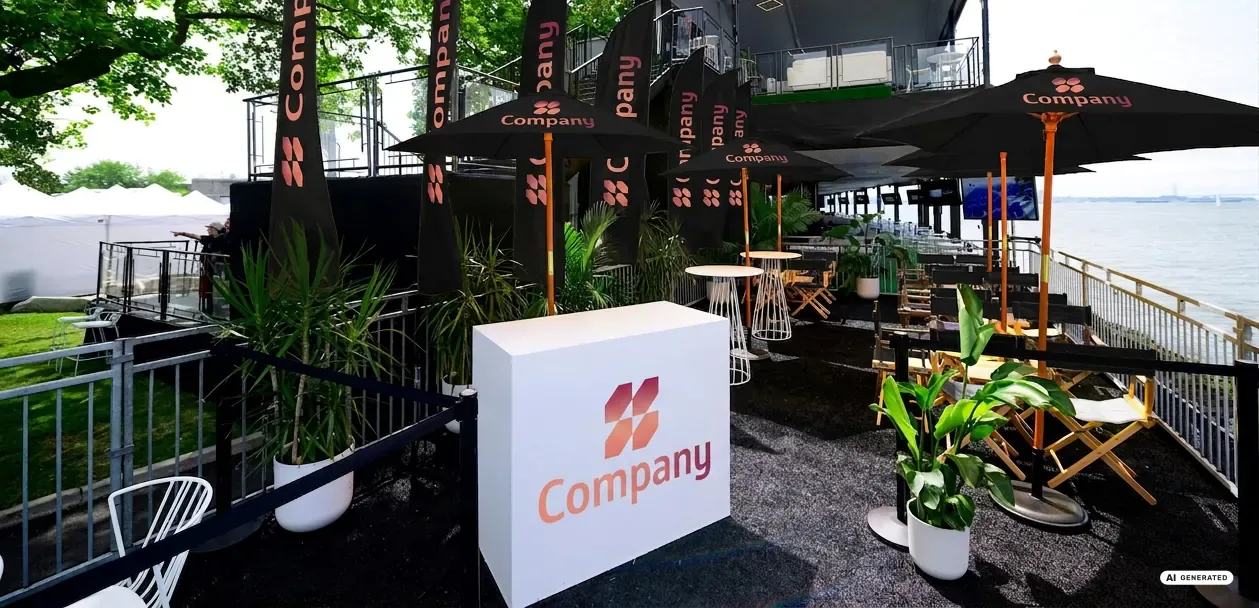 generated in Studio
The pitches
One pitch per prospect, and what comes back from it.
Where the case comes from
Most tools start at a brand name you already had. This starts before that: several strands run in, get worked into one analysis, and fan back out as everything you send.
Signals
Meetings, emails, debriefs, your own notes and whatever you upload.
Research
The market, the brand’s own signals, and who owns sponsorship on their side.
Rate card
Your tiers, categories and assets, and which of them are still unsold.
Image archive
Your own pictures, measured for what each one can actually carry.
Your material
Your own documents: media kit, partnership deck, brand guidelines, audience research.
One analysis
Fit, the argument, activation ideas and the tier, worked out once and held as one editable record.
Every pitch reports what it did: who opened it, how often, which pages they read, and that comes back in as a new signal. The generation also reads its own output against what the document has to achieve and adjusts it, so the next one starts further along than the last.
The system your commercial team works in.
Accounts, inventory, rate card and pitches in one place. Each rights holder runs on its own domain.
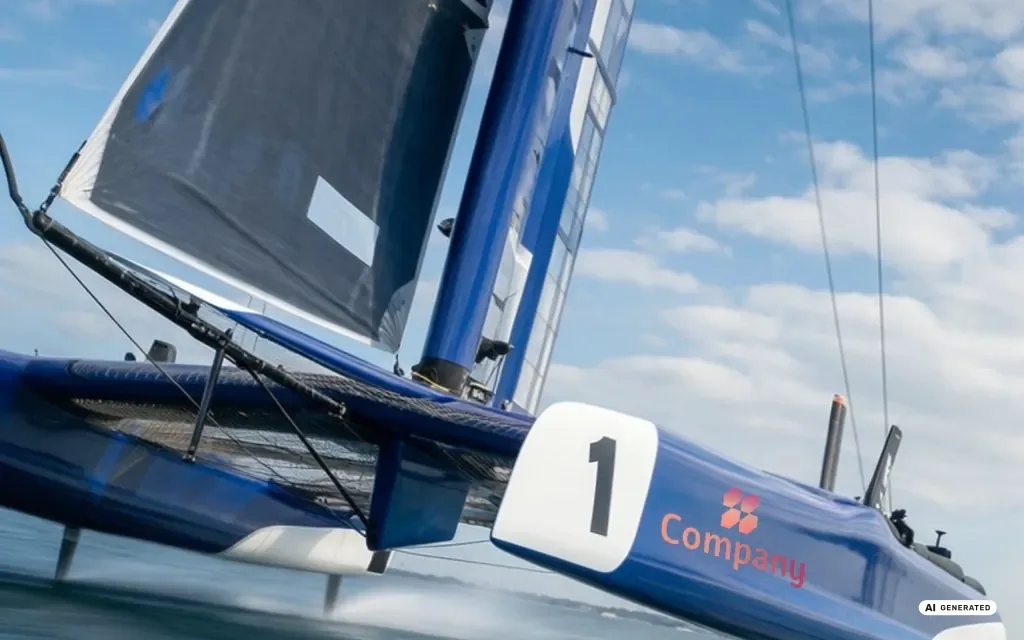
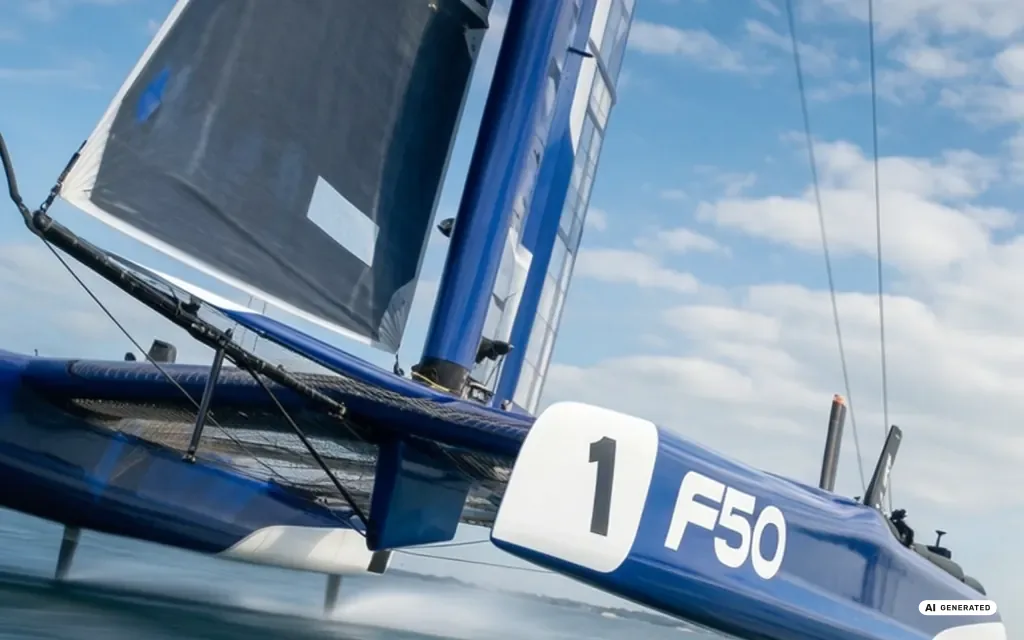 BEFORE · what is thereAFTER · edited in Studio
Drag the handle to compare
Show them what it will look like.
Every teaser, deck and pitch needs pictures, and stock cannot show a partnership that does not exist yet. PairIQ builds them from your own material.
Change what is already in the frame.
You get one meeting to present it.After that your case is repeated by someone inside the brand, in a room without you.
PairIQ builds what you show, and what they repeat.
Who sells with it
Anyone who has to defend a sponsorship price in front of people who never saw the deck being made.
Clubs
One commercial team, a full inventory, and a season to sell it in.
Leagues and federations
One case built centrally, used by every club without losing their own brand.
Athletes and events
Small teams, sharp stories, without an in-house design team.
Agencies
Several rights holders at once, each with its own rate card and visual identity.
What it costs
A platform fee, seats for the people who sell, and modules for what you actually use. Scoped to your rights and quoted together.
Property
One rights holder, one commercial team, the full loop from research to renewal.
Portfolio
Leagues, federations and agencies running several properties in one workspace.
Barter
Part of the fee offset against inventory, when the fit works both ways.
We set PairIQ up with you and quote it in writing.
Built for European rules
Sponsorship material made by AI now has to say so, and the people you send it to increasingly ask where their data sits. Both were built in rather than bolted on.
Every generated image says it is generated
The EU marking for AI content is composited into the file, not laid over it, so it survives a download, a forward and a screenshot. Required of operators since August 2026.
Application and database run in the EU
Requests are handled in Frankfurt, Dublin and Stockholm. The database sits in Ireland.
No tracking cookies, so no consent banner
Strictly necessary cookies (sign-in, language choice) and cookieless analytics. Nothing to click away, nothing sold on.
Some AI sub-processors sit outside the EU. They are named, with what they process, in the privacy policy.